
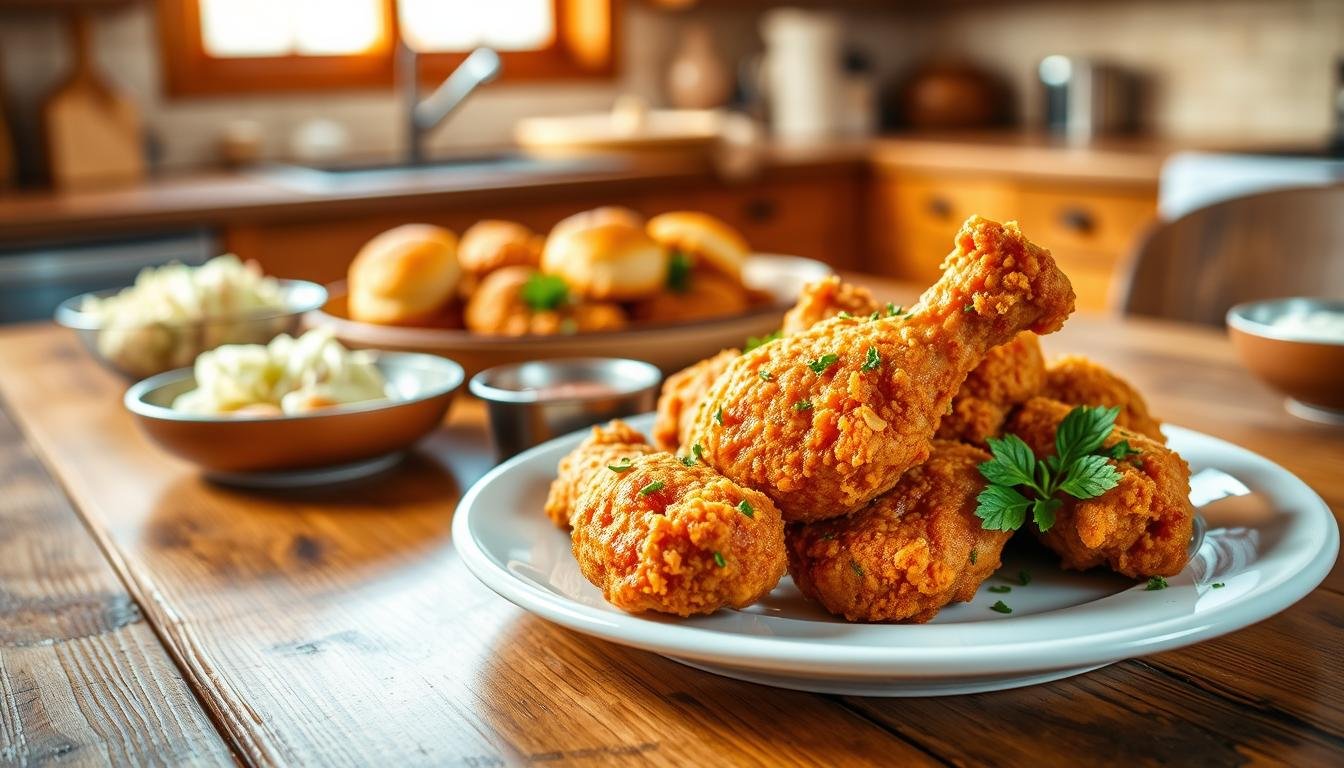
Have you ever wondered how to get a fast-food favorite at home—without the breading and with reliable flavor every time?
I created this recipe to recreate that bold, seasoned bite I loved on the go. I wanted consistent, flavorful, and cost-effective blackened chicken tenders you can make any night of the week.
These blackened chicken tenders are designed to be keto-friendly and low-carb. A five-piece order from the chain has only 3 grams of carbs, so this approach keeps the meal light and protein-packed.
By cooking at home I control the spices, the heat, and the quality of ingredients. My goal is to help you master these blackened tenders, skip the drive-thru, and enjoy a reliable, delicious meal served with ranch or your favorite dip.
Key Takeaways
- I developed this recipe for a consistent, flavorful alternative to fast-food versions.
- Blackened tenders offer a keto-friendly, low-carb option (five-piece ≈ 3g carbs).
- Home cooking lets you control ingredients and seasoning for perfect results.
- These chicken tenders are quick to make and great for busy, healthy lifestyles.
- Serve with ranch or other dips to enhance flavor and keep meals satisfying.
Why I Prefer Homemade Popeyes Naked Chicken
I make my own blackened chicken tenders because restaurant spice and texture often vary too much.
Crafting a personal chicken tenders recipe lets me lock in consistent seasoning and the firm bite I want.
Home-cooked blackened tenders help me stick to a low‑fat, keto-friendly plan. I control oil, salt, and additives so each meal supports my goals.
Relying on fast food isn’t sustainable or budget-friendly. Making this recipe at home saves money and gives better flavor.
- I avoid hidden additives and get pure protein in every serving.
- Homemade recipes deliver repeatable results I can trust night after night.
- Cooking at home makes it easy to tweak heat, herbs, and fat levels to match my taste.
Essential Ingredients for Your Spice Blend
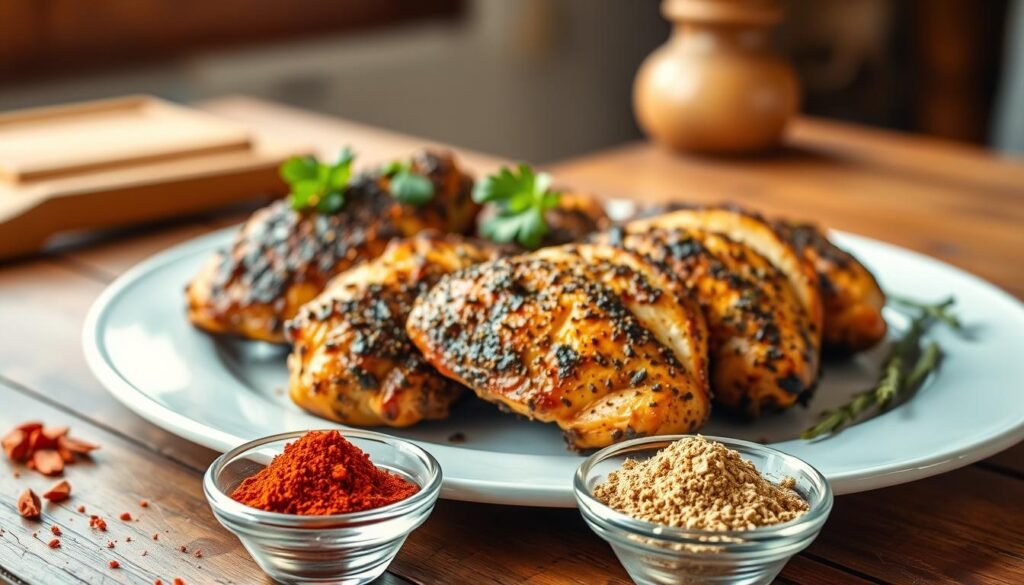
Good seasoning starts with fresh, high-quality powders and herbs. I keep a short list of pantry essentials so I can make blackened tenders any night.
Selecting Quality Spices
Freshness matters: I check expiration dates on garlic powder and chili powder before mixing. Using fresh ingredients gives a brighter, truer flavor in this recipe.
I usually combine smoked paprika, cayenne, onion powder, garlic powder, chili powder, and dried herbs in a small bowl. Whisking them creates a consistent blend that coats every piece of chicken.
Balancing Heat Levels
Heat is personal. I start mild and add cayenne or extra chili powder if I want more kick. To reduce smokiness, I swap smoked paprika for regular paprika.
- Measure spices in a bowl so you can repeat the mix.
- Adjust cayenne or chili powder to suit your tolerance.
- Store the blend in a sealed jar for quick use.
Preparing the Chicken for Maximum Flavor
I start with about 2 pounds of chicken breast tenderloin to make sure I have four full servings.
First, I place the tenderloins into a large freezer bag with my spice blend. Shaking and massaging the bag helps the seasoning cling to every piece.
I heat vegetable oil in a heavy skillet for 2–3 minutes until it shimmers. This short preheat time gives me the right surface for a deep sear.
When I place chicken in the hot pan, I sear each side for 3–4 minutes. That step creates the dark, flavorful crust that defines my blackened chicken tenders.
- I transfer the seared pieces to a preheated oven set to 350 degrees.
- Finish cooking for 10 more minutes so the interior stays juicy.
- This two-step method—sear then bake—locks in flavor and texture.
Tip: Use a clean bag and a light hand with oil. Letting the tenders rest a few minutes after the oven helps the juices redistribute before serving.
Mastering the Cast Iron Skillet Technique
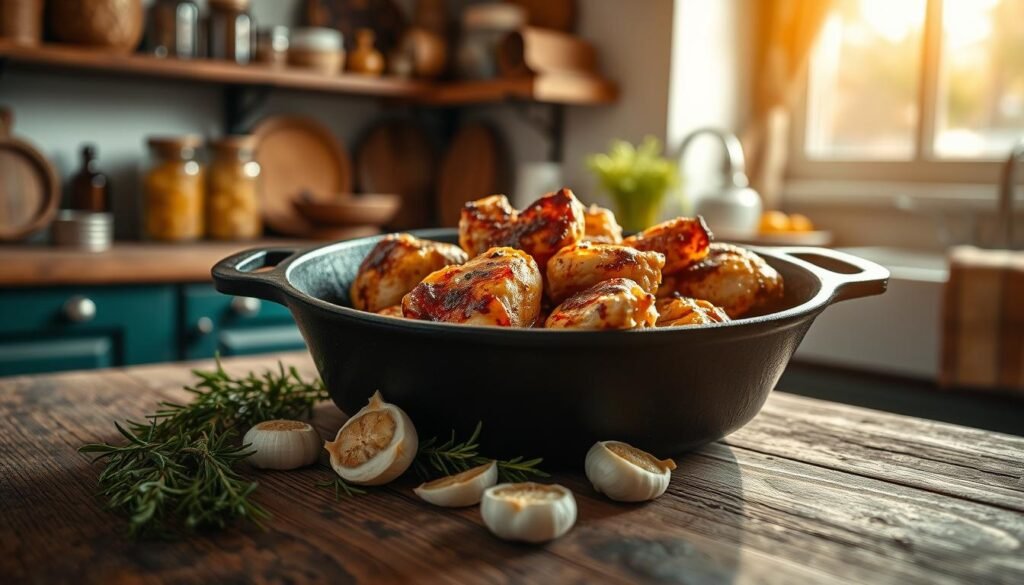
I rely on a well-heated cast iron skillet to make sure each tender develops a deep, caramelized crust.
Achieving the Perfect Sear
Use a large cast iron so heat spreads evenly across the surface. A heavy pan holds temperature when you add the meat. That stability is key for an even sear.
Heat vegetable oil in the iron skillet until it shimmers—this usually takes about 2–3 minutes. Then add the seasoned pieces and sear for about 3–4 minutes per side.
Avoid overcrowding the large cast pan. Leaving space between tenders keeps the surface hot and prevents steaming. Patience here pays off: the spices will caramelize and the juices stay locked in.
“A well-seasoned cast iron will give you a restaurant-quality crust with minimal oil.”
- Preheat the skillet until hot, then add oil.
- Sear each piece 3–4 minutes per side for best color and texture.
- Finish in the oven if needed to reach safe internal temperature.
I prefer this traditional iron skillet method to an air fryer. The cast surface mimics deep-fry texture without breading and keeps my recipe simple and flavorful.
Alternative Cooking Methods for Healthier Results
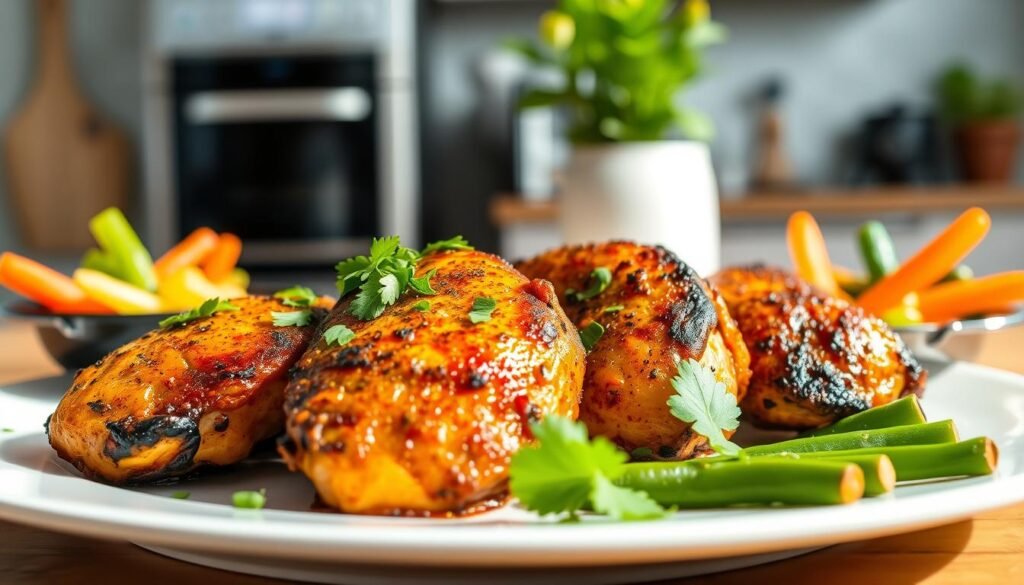
For a lower-fat finish, I often swap the skillet for an appliance that uses hot air circulation. These methods keep the bold, blackened flavor while trimming added oil.
Using the Air Fryer
I preheat the air fryer to 350 degrees to get a consistent cook time. I place seasoned chicken tenders in a single layer so air moves freely.
I coat the pieces with my seasoning inside a freezer bag before placing them in the basket. Then I spray lightly with nonstick cooking spray so they crisp without extra oil.
Cook for about 10–12 minutes, turning halfway for even color. This way, you get a crispy exterior in less time and with less fat than pan methods.
Oven Roasting Techniques
For larger batches, I use the oven. I place tenders on a sheet pan and drizzle a little vegetable oil to help the spices bloom.
Bake at 350 degrees for about 20–25 minutes, flipping once around the halfway mark. This method is excellent when you need to feed a family or store extras.
Either approach lets you keep the flavor of the original recipe while cutting fat and saving cleanup time.
- Use a freezer bag to coat the meat and keep your workspace tidy.
- Air fryer: quick crisp in minutes, less oil required.
- Oven: cook more pieces at once and store leftovers safely.
Tips for Customizing Your Blackened Tenders
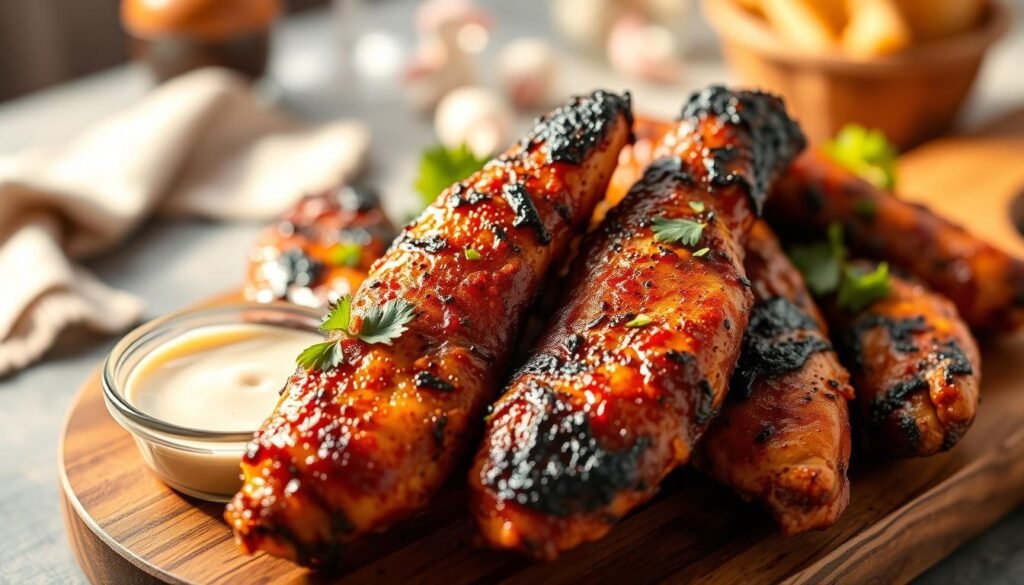
A few smart swaps will let you customize heat, smokiness, and juiciness in each piece.
Swap the oil: I often use avocado oil instead of vegetable oil because it has a high smoke point and a neutral flavor. This change helps the crust form without burning the seasoning.
If you prefer darker meat, try boneless skinless thighs in place of breasts. The texture is richer and holds up well to bold spice.
I sometimes replace chili powder with chipotle powder to boost smokiness. Small changes to the seasoning give the blackened chicken tenders a different character without altering the base recipe.
- Cooking time varies with thickness—check internal temp after 6–7 minutes and adjust as needed.
- Experiment with spice ratios until the tenders match your heat preference and dietary needs.
- These tweaks keep the tenders recipe flexible for quick weeknight meals.
Creative Ways to Serve Your Chicken
Serving the same meal differently can make weeknights feel new. One easy way is to offer warm chicken tenders with a cool, creamy ranch for dipping. The dressing balances the spice and keeps each bite refreshing.
Turn this recipe into a salad: place sliced blackened chicken over crisp greens and add avocado ranch. It becomes a full meal that is bright and quick to assemble.
For something indulgent, pile the blackened tenders on a buttery brioche bun for a sandwich. A light slather of mayo and pickles adds contrast to the spice.
If you want comfort, serve the tenders with dirty rice or creamy pasta. The rich sides make the plate feel hearty and satisfying.
- Serve as a snack: these tenders are flavorful enough to eat on their own.
- Try different sauces and breads to match your mood.
- Use a little extra oil when toasting buns for an elevated finish.
Proper Storage and Reheating Guidelines
Proper storage makes reheating simple and keeps each bite tasting fresh. I pack any leftover chicken tenders into an airtight container and place it in the fridge the same day. This helps me store the flavor and keeps the pieces safe for 2–3 days.
For reheating, I prefer the oven. Preheat to 350°F and warm the pieces for a few minutes so the crust crisps while the interior stays juicy. That short time brings blackened chicken back close to fresh.
If I’m short on time, the microwave works, but I find a skillet or oven gives better texture. Heat in a skillet over medium for a few minutes, turning once, to refresh the crust without adding much oil.
- These blackened tenders are high in protein and fairly low in fat, making them great for meal prep.
- Seal containers tightly to keep sodium and flavors locked in; each serving has 420 calories and 71g protein.
- Follow these simple steps and your saved pieces will taste like a planned second meal from the same recipe.
Conclusion
A quick final sear and short rest will lock in juices and improve the crust on these blackened tenders.
I developed this chicken tenders recipe so you can make a high-protein, low‑fat meal at home. Whether you use a hot skillet, an air fryer, or the oven, you can have tasty results in minutes.
Choose quality ingredients, control the oil and heat, and time each step carefully. This way, the tenders stay juicy and the seasoning shines. Serve with ranch or your favorite side and enjoy cleaner, better food than drive‑thru options.
If you try the recipe, tag me—I’d love to see your twist on this easy, satisfying way to cook chicken.
