Have you ever wondered why a simple bowl of nuts can shape a restaurant’s identity and customer ritual?
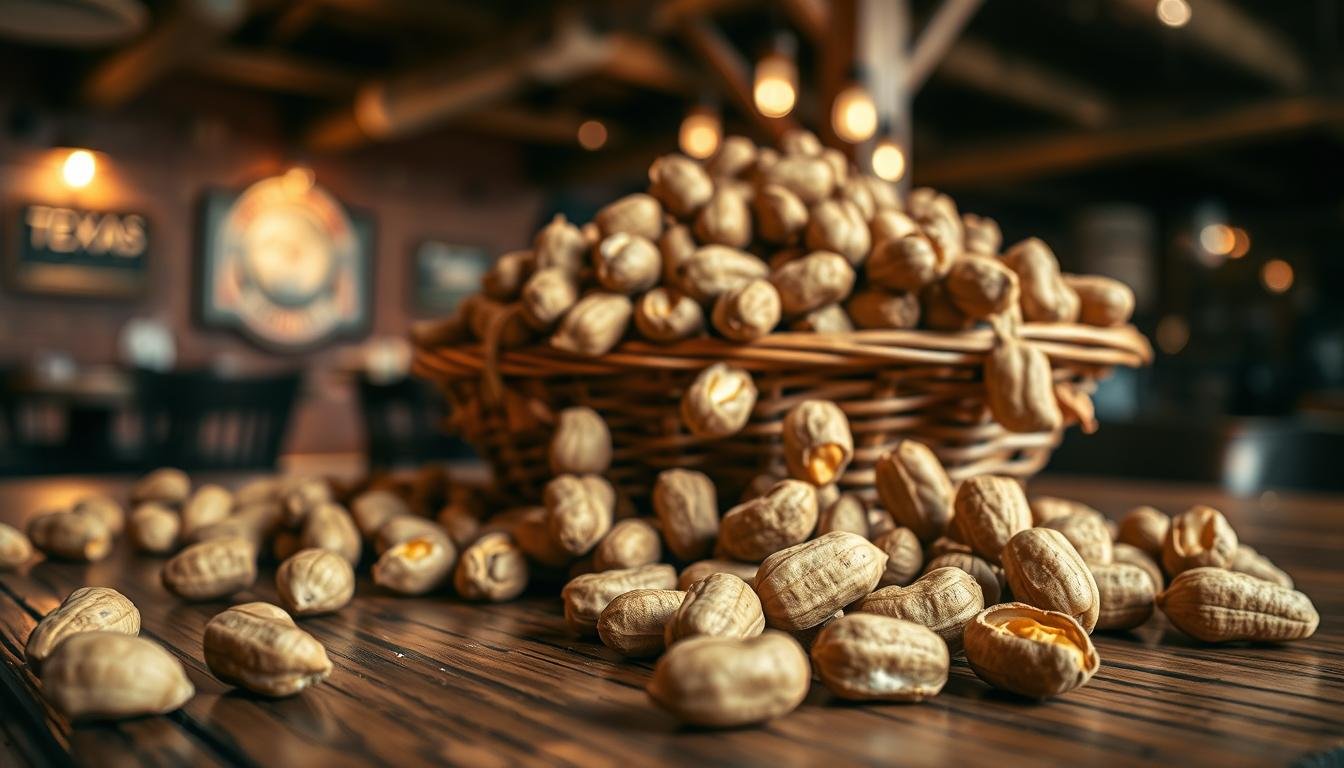
I notice the first thing many guests see is a warm tub of snacks when they sit down. At the heart of this tradition is the signature texas roadhouse peanuts, a small touch that says a lot about service and comfort.
Founded in 1993 by Kent Taylor, the brand grew fast to hundreds of locations across the United States. I find the offering more than a nibble; it becomes part of the dining food experience and identity.
My research shows the company invests heavily to keep this ritual alive, buying millions of pounds annually so every table gets a friendly welcome. That commitment makes the snack feel like a promise of consistent hospitality.
Key Takeaways
- I view the snack as a brand signature that greets guests.
- The founder’s early values still guide this simple tradition.
- Large-scale purchases keep the offering consistent.
- The practice reinforces the overall dining experience.
- This small gesture reflects a bigger commitment to hospitality.
The Origins and Brand Identity of Texas Roadhouse Peanuts
A simple bowl on the table became a deliberate choice that shaped a brand’s personality.
Kent Taylor began the company in 1993 with a clear goal: serve scratch-made food he could be proud of. I learned that the idea to offer a complimentary snack came after he decided popcorn would mask the scent of fresh rolls.
That small switch helped define the dining experience. Today the chain runs 490 locations across 49 states and keeps the hospitality focus intact.
The Vision of Kent Taylor
Taylor built more than a restaurant model; he built a ritual that welcomes guests. The complimentary basket signals comfort and affordable quality.
Building Community Through Snacks
Travis Doster—famously the peanut guy—says the shells invite sharing at the table. I see how that small gesture helps families connect while waiting for their meal.
- Scratch-made food and simple hospitality
- A shared snack that supports community
- A consistent identity across many locations
Why the Tradition of Shells on the Floor Changed
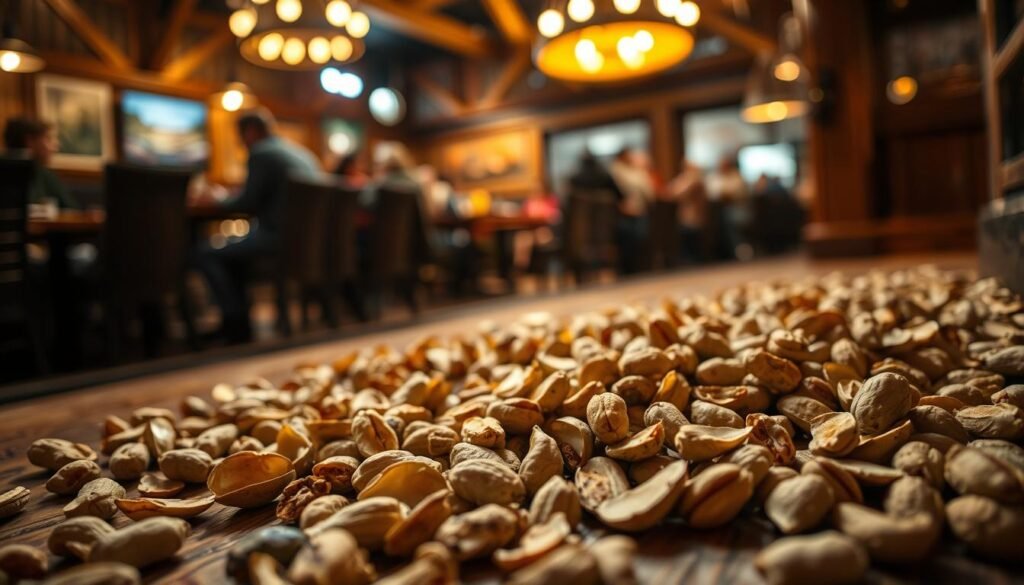
The sight of shells on the floor once felt charming, but the story shifted with time.
I discovered that the ritual became a liability after multiple lawsuits. A 2016 Des Moines Register report detailed a case where a man shattered his knee after slipping on discarded peanut shells.
That incident is a documented fact that pushed managers to rethink service. Over the years the chain faced legal challenges when customers suffered injuries from shell debris in dining areas.
The COVID-19 pandemic accelerated the shift away from communal buckets. Restaurants moved fast to reduce shared items and increase sanitation.
Many diners miss the old vibe, but safety and concerns about peanut allergies made change necessary. I’ve observed that while shells on the floor faded, the signature rolls stayed popular.
- Legal risks from slips and falls influenced policy.
- Health and allergy concerns prompted safer service.
- Industry trends moved toward cleaner, controlled dining spaces.
How to Enjoy Texas Roadhouse Peanuts Today
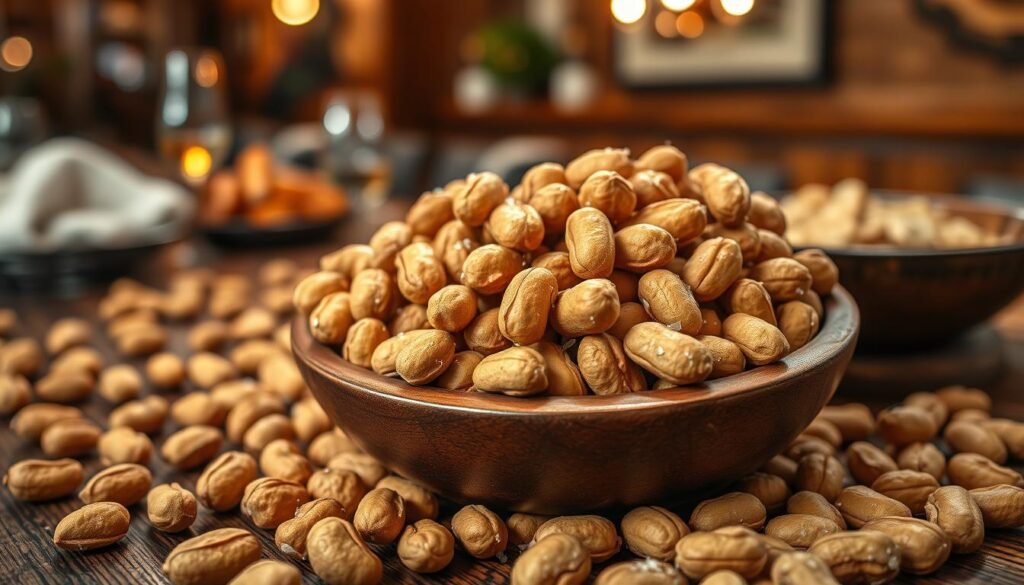
The ritual lives on in a safer, cleaner form.
I still ask for a bag when I visit because guests can request packaged peanuts at most texas roadhouse locations. Servers are used to this, and they usually bring an individual packet rather than a communal tub.
Navigating Modern Dining Policies
Keep it tidy: It is a known fact that the chain prefers wrappers and shells not be tossed on the floor. I recommend using the small baskets provided to discard shells and wrappers so staff can keep the dining area clean.
Ask if you have allergies: I have found staff are attentive to peanut allergies and will help accommodate customers who need a safer table or alternative snack.
- If you want a quick snack, ask your server for a bag — most locations will oblige.
- The overall experience — enjoying that salty bite with fresh rolls — still highlights the meal.
- Over the years, service changed to balance tradition with safety and cleanliness for all customers.
Conclusion
I find that the snack ritual still matters. The legacy of the texas roadhouse snack tradition remains a clear part of the brand’s identity, even as service policies changed for safety.
While the days of walking on shells are mostly behind us, the chain keeps focusing on warm rolls and friendly service at every table.
I appreciate how leaders balanced safety and allergies with the wish to keep the classic salty bite available. Guests can still enjoy the crunchy peanuts or ask for a packaged snack when they prefer.
In short, this small tradition still helps define the experience. It ties together hospitality, quality food, and a sense of community across the chain.
